

 Written by
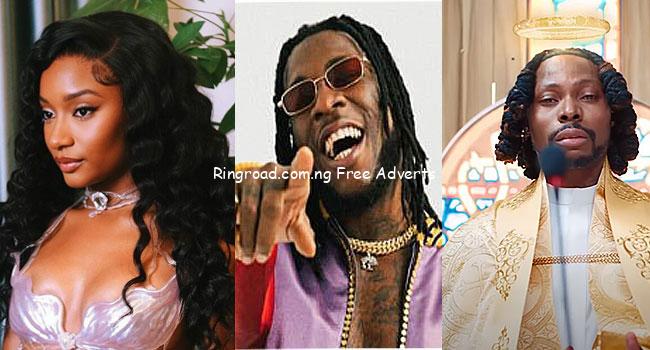
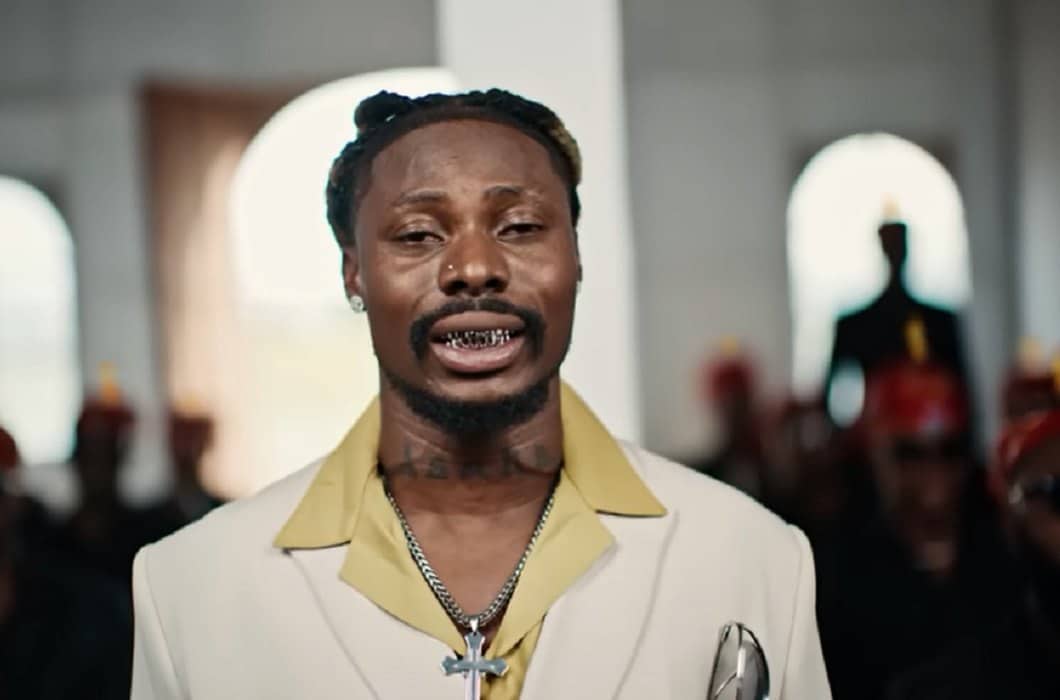
Tattoos have long been a form of self-expression, a way for individuals to wear their stories, beliefs, and experiences on their skin. Nigerian musicians, much like their counterparts worldwide, have embraced tattoos as a medium for personal and artistic expression. Among these artists is Asake, a rising star in Nigeria’s music scene. Recently, rumors circulated about him tattooing “666” on his arm. However, these claims lack concrete evidence and seem to stem more from sensationalism than verified facts. Asake’s tattoos, like those of many artists, are deeply personal and symbolic, reflecting his journey and aspirations.
Nigerian Musicians and Their Tattoos
Several Nigerian musicians have adorned their bodies with tattoos, each carrying unique meanings:
- Burna Boy: The Grammy-winning Afrobeat star is known for his extensive body art. His tattoos reflect his love for music, heritage, and personal philosophies. Each design tells a story, from his commitment to his craft to his connection with his roots.
- Davido: The Afrobeats superstar has multiple tattoos, including ones dedicated to his children. For Davido, tattoos are not just decorative but also sentimental, serving as permanent reminders of his loved ones and milestones.
- Tiwa Savage: The queen of Afrobeats sports elegant tattoos, including one on her arm. Her tattoos are a blend of fashion and personal significance, adding to her edgy yet sophisticated persona.
- Wizkid: Known for his minimalist yet impactful tattoos, Wizkid’s body art complements his persona as a global music icon. His tattoos often reflect his journey and achievements.
- Olamide: The indigenous rapper and street-hop pioneer has tattoos that resonate with his gritty upbringing and relentless pursuit of success.
Despite the growing popularity of tattoos among celebrities and urban youth, many Nigerians remain skeptical about body art. This resistance stems from cultural, religious, and societal factors:
- Religious Beliefs: Nigeria is a deeply religious country, with Christianity and Islam as the dominant faiths. Both religions have teachings that some interpret as prohibiting tattoos. For example, Leviticus 19:28 in the Bible is often cited by Christians to discourage body markings.
- Cultural Norms: Traditional Nigerian culture values modesty and often associates tattoos with rebellion or moral laxity. Older generations may view tattoos as a departure from cultural values.
- Stereotypes and Misconceptions: Tattoos are sometimes linked with criminality or wayward behavior in Nigerian society. This stigma makes many people wary of embracing body art.
Despite societal resistance, tattoos are gaining acceptance among Nigeria’s younger generation. Urbanization, globalization, and exposure to Western cultures have influenced young Nigerians to view tattoos as a legitimate form of self-expression. Social media platforms also play a significant role in normalizing tattoos, as fans admire and emulate their favorite celebrities.
For Nigerian musicians, tattoos are more than just body art; they are statements of identity, resilience, and creativity. While societal acceptance of tattoos remains limited, the trend is steadily gaining ground among the youth. Artists like Asake, Burna Boy, and Tiwa Savage continue to challenge stereotypes, using their tattoos to tell their stories and inspire a generation to embrace individuality.

