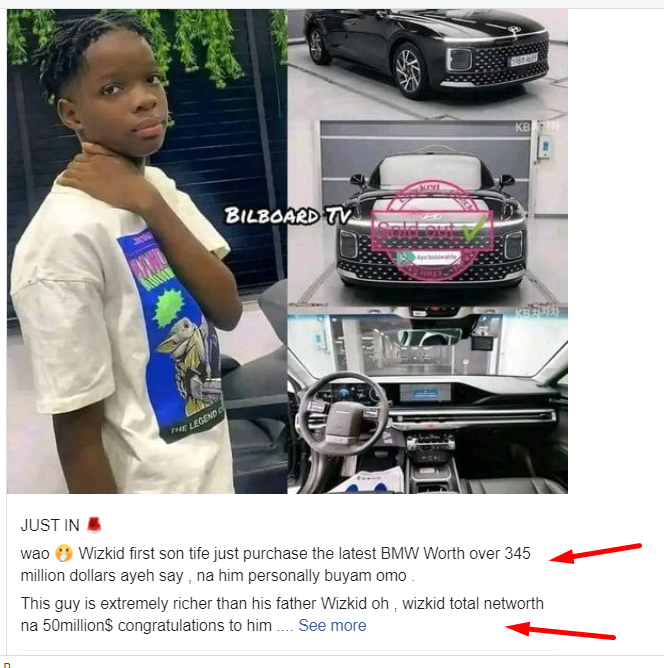
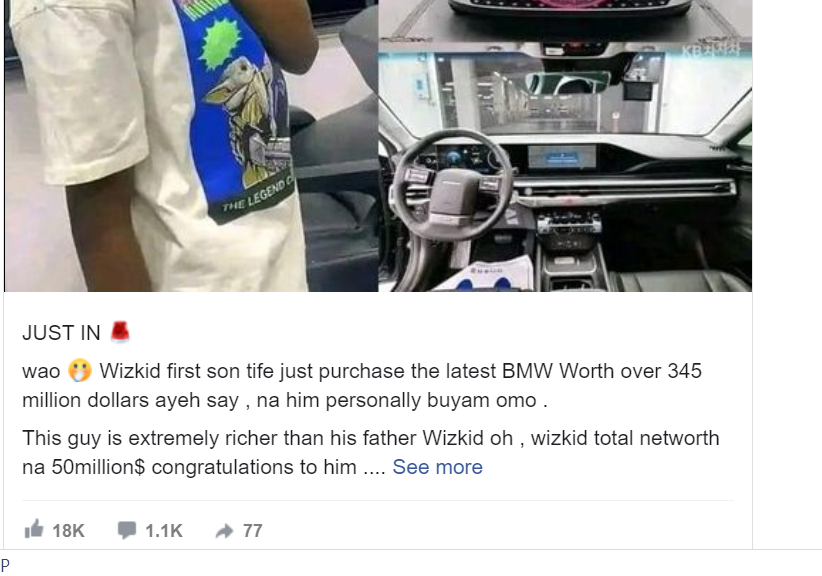
This post Got 18 Thousand LIKES Views ! Imagine and it is a TOTAL LIE !
From the School na scam made Popular in Nigeria Telling Youths to Drop out of School & join the pervading Online Fraudster Escort Prostitiution Life Style
This is The Culture Your kids Are Going to Live in One Based on Lies As Truth

Outrageous Fake News: A New Lie Culture on Social Media, Fueled by Facebook, Instagram, Snapchat, and TikTok
In the fast-paced digital age, where clicks, likes, and shares have become the currency of online influence, an alarming new trend has emerged: a culture of misinformation and lies sweeping through social media platforms like Facebook, Instagram, Snapchat, and TikTok. Particularly alarming is how Generation Z, the digital-native generation, is increasingly being fed fake news in a bid to gain followers, likes, and social validation.
The Rise of Outrageous Fake News
Outrageous content designed to shock, scandalize, or provoke anger is nothing new. However, the nature of misinformation has evolved. What was once a fringe problem has become a mainstream phenomenon, with influencers, meme accounts, and even some users intentionally crafting outrageous fake news stories to get attention.
Fake news blog posts and videos—often unverified, sensationalized, or simply made up—spread like wildfire, with thousands of users engaging without questioning the legitimacy of the content. These stories can range from bizarre celebrity scandals to exaggerated political conspiracies, with no real basis in fact. Yet, for many Gen Z users, consuming these stories has become part of their everyday online experience.
How Facebook, Instagram, Snapchat, and TikTok Play a Role
What’s even more concerning is how major social media platforms not only host but, in many cases, amplify this misinformation. Facebook’s algorithm, for instance, has long been criticized for prioritizing sensational content, often promoting polarizing news that generates more engagement—even if it’s not true. TikTok’s “For You” page feeds users with viral content that leans toward the extreme, offering little to no filter when it comes to truthfulness.
Instagram and Snapchat are not immune either. The push for virality means that fact-checking takes a back seat to what will drive engagement. The more shocking the post, the more likely it is to get attention—and the algorithms push it further into the social media stratosphere. This fuels a cycle where misinformation is rewarded with more followers, likes, and shares, essentially encouraging content creators to fabricate or manipulate facts.
Gen Z: The Digital Generation Being Misled
Gen Z, having grown up with social media, is especially vulnerable to this rise in fake news. This generation consumes most of its content online, often preferring social media platforms to traditional news outlets. While many young people are digitally savvy, they are not immune to the manipulative nature of viral misinformation.
Social media has become the new town square, where news is consumed rapidly, often without deeper investigation. The problem lies in the way these platforms blur the lines between entertainment, news, and personal opinions, making it harder to distinguish fact from fiction. For many Gen Z users, clicking on an outrageous fake news post is just another way to pass the time, but the long-term consequences of normalizing such behavior could be devastating.
The New “Lie Culture” on Social Media
What’s most alarming is the normalization of this behavior, creating a new “lie culture” where truth is secondary to engagement. For many content creators, the goal is not to inform but to attract attention—no matter the cost. This toxic environment fosters cynicism and distrust in traditional media, as well as confusion about what is real and what is fabricated.
This new culture also affects how Gen Z perceives the world around them. Fake news and misinformation distort reality, leading to warped perceptions of politics, science, and social issues. As these stories become part of the daily scroll, users are more likely to internalize and accept false narratives as fact, especially when they come from influencers they trust.
Why Platforms Need to Take Responsibility
The role of social media companies cannot be understated. While platforms like Facebook and TikTok have made some attempts to curb misinformation—through fact-checking initiatives and labeling dubious content—these efforts are often too little, too late. The viral nature of fake news means that by the time a post is flagged or removed, it has already reached thousands, if not millions, of users.
Social media companies must do more than play catch-up with misinformation. They must take proactive measures to stop the spread of fake news before it takes root. This includes refining their algorithms to prioritize accuracy over engagement and holding content creators accountable for spreading false information.
The Way Forward: Critical Thinking and Media Literacy
At the heart of combating this issue is fostering critical thinking and media literacy, especially among Gen Z. Users need to be equipped with the tools to question and verify the information they encounter online. Educational initiatives, both within and outside of schools, can play a crucial role in helping young people develop a healthy skepticism towards viral content and sensationalist claims.
Ultimately, social media platforms must acknowledge their role in perpetuating fake news, and users—particularly Gen Z—must learn to navigate this landscape with a discerning eye. Only then can we hope to shift from a culture of lies back to a culture of truth.