What are the key mechanical components involved?
SpaceX’s Mechazilla represents a groundbreaking approach to spacecraft recovery, specifically designed to capture the Starship during its landing phase. The system is situated on a launch platform in Boca Chica, Texas, and consists of two massive robotic arms, each measuring approximately 100 meters in height and designed for precision and strength. These arms are constructed from high-strength steel, engineered to endure the extreme forces exerted during the catch process.
The operational mechanics of Mechazilla are multifaceted, beginning with its advanced tracking systems. High-resolution cameras, combined with LiDAR (Light Detection and Ranging) technology, provide real-time data on the Starship’s descent trajectory. This enables the system to calculate the optimal catch parameters with a latency of mere milliseconds, ensuring that the arms can respond swiftly to any changes in the spacecraft’s flight path. The Starship, when descending, can travel at speeds exceeding 8,000 kilometers per hour (approximately 5,000 miles per hour), making this real-time tracking essential for successful recovery.
To facilitate the catch, each arm features a sophisticated soft capture mechanism, which consists of articulated grippers designed to gently engage with the Starship’s aft section. These grippers utilize a combination of pneumatic and mechanical systems to create a secure hold without damaging the vehicle’s surface. The design is particularly crucial as it minimizes stress on the spacecraft, allowing for repeated reusability.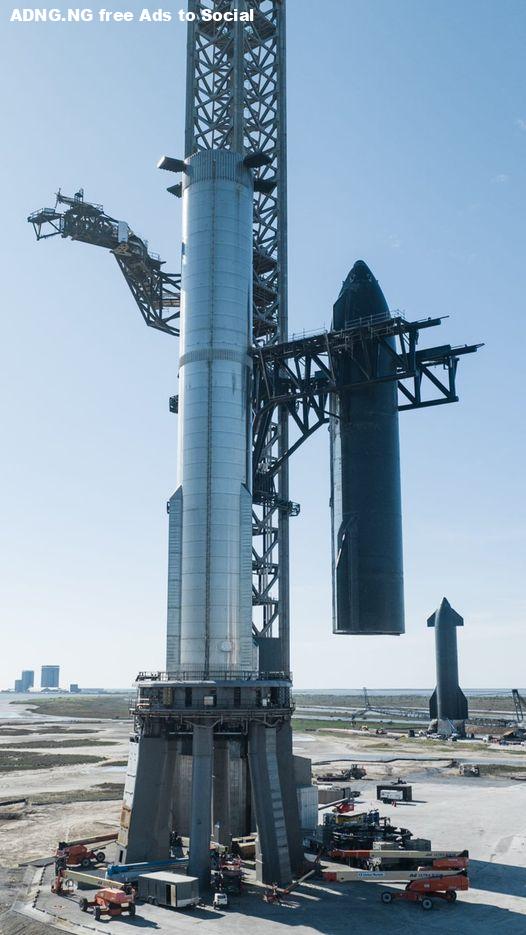
Moreover, the Mechazilla arms are powered by a robust hydraulic system capable of generating forces of over 1,000 kN (kilonewtons). This high-pressure hydraulic setup enables the arms to move swiftly and with high precision. The arms can adjust their position dynamically, accounting for factors such as wind speed and atmospheric disturbances. This adaptability is vital for ensuring a successful capture, given the unpredictable nature of landing conditions.
The control systems for Mechazilla are equally sophisticated, employing machine learning algorithms to enhance the accuracy of the catch process. These algorithms analyze historical landing data and current environmental conditions to optimize the catching technique. Additionally, redundancy is built into the system to ensure safety; multiple sensors and backup systems are in place to prevent failure during critical moments.
As the Starship descends, it performs a series of maneuvers, including a flip maneuver designed to position its landing legs downward. Mechazilla must synchronize its movements with these maneuvers to ensure a seamless catch. The successful integration of software and hardware makes it possible for Mechazilla to respond to the Starship’s movements in real-time, achieving alignment within a few centimeters of precision.
With a weight capacity exceeding 100 tons, Mechazilla is more than capable of handling the Starship’s mass, which, when fully fueled, can reach over 1,200 tons. This capability not only enhances the safety and reliability of recoveries but also significantly reduces operational costs by allowing for rapid turnaround between missions.
Overall, the Mechazilla catch system exemplifies cutting-edge engineering and innovation in aerospace technology. By integrating advanced mechanical design, real-time sensor technology, and state-of-the-art control systems, SpaceX is revolutionizing the way rockets are recovered and reused. As the company continues to refine this system, Mechazilla stands as a critical component of its goal to make space travel more accessible and sustainable.