The Global and Nigerian Context of HIV/AIDS
HIV/AIDS remains one of the most significant public health challenges worldwide. As of the latest statistics, the Joint United Nations Programme on HIV/AIDS (UNAIDS) estimates that approximately 39 million people globally were living with HIV in 2023. In Nigeria, the burden is substantial, with about 1.9 million people living with HIV, according to the National Agency for the Control of AIDS (NACA). While these numbers represent progress compared to the peak of the epidemic, they also highlight the ongoing challenges in addressing the disease effectively.
Is There a Cure for HIV/AIDS?
Despite significant advancements in medical science, a definitive cure for HIV/AIDS has not yet been found. However, antiretroviral therapy (ART) has revolutionized the treatment landscape. ART can suppress the viral load to undetectable levels, allowing individuals to live healthy, long lives and reducing the risk of transmission to virtually zero. Researchers are actively pursuing functional cures, including gene therapy and long-acting injectable treatments, but these remain experimental.
Prevention Strategies: A Multi-Faceted Approach
Prevention efforts are critical in combating HIV/AIDS. Strategies include:
- Condom Use: Condoms are one of the most effective tools for preventing HIV transmission during sexual activity. Their correct and consistent use reduces the risk of transmission by over 90%.
- Pre-Exposure Prophylaxis (PrEP): This daily medication significantly reduces the risk of contracting HIV, particularly among high-risk groups.
- HIV Testing and Education: Regular testing and widespread education campaigns ensure early detection and reduce stigma.
- Social Media Campaigns: Platforms like Facebook, TikTok, and Instagram are increasingly used to disseminate information about safe sex practices and HIV prevention among young people.
Condom Use Among Nigerian Youths: A Declining Trend?
Nigeria has a youthful population, with over 60% of its citizens under the age of 25. Social media platforms such as Facebook, TikTok, and Instagram have become central to shaping youth culture, including attitudes toward sexual health. Alarmingly, studies and anecdotal evidence suggest a declining trend in condom use among Nigerian youths, particularly in urban centers.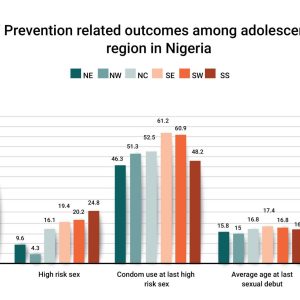
Factors Influencing Condom Use Among Gen Z
- Social Media and Peer Pressure: Social media platforms often promote risky behaviors, with some influencers normalizing unprotected sex or downplaying the risks of HIV and other sexually transmitted infections (STIs).
- Misinformation: The spread of myths and misinformation about HIV prevention on platforms like TikTok can lead to complacency.
- Cost and Accessibility: While condoms are relatively inexpensive, they are not always readily accessible to young people, particularly in rural areas.
- Cultural Stigma: In many Nigerian communities, discussing condom use remains taboo, discouraging youths from purchasing or using them.
The Role of Social Media in Sexual Health Education
Social media has a dual role in the fight against HIV/AIDS. On one hand, it’s a powerful tool for spreading awareness. Campaigns like “#EndHIV” and influencers advocating for safe sex practices have gained traction. On the other hand, misinformation and trends promoting risky behavior can undermine these efforts.
The Way Forward
- Enhanced Education Campaigns: Schools, community centers, and social media platforms must prioritize comprehensive sex education.
- Policy Interventions: Government and NGOs should make condoms freely available and accessible to all youths.
- Leveraging Social Media Positively: Collaborations with influencers and health advocates can create engaging, factual, and youth-targeted content.
- Addressing Stigma: Community leaders and educators need to challenge cultural norms that stigmatize condom use and open discussions about sexual health.
Conclusion
HIV/AIDS remains a pressing issue, particularly among Nigerian youths, who are navigating a complex interplay of social media influence, cultural norms, and risky behaviors. While significant progress has been made in treatment and prevention, a comprehensive approach involving education, accessible prevention tools, and leveraging social media is critical. The responsibility lies with all stakeholders to ensure the next generation is equipped to make informed decisions, reducing the prevalence of HIV/AIDS and other STIs.


