
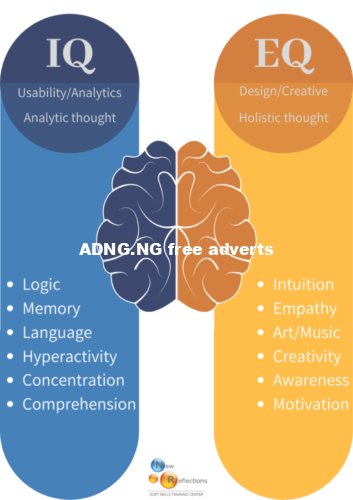
People with a high emotional quotient (EQ) often succeed more than those with a high intelligence quotient (IQ) because EQ encompasses the ability to understand, manage, and use emotions effectively in everyday life. EQ involves skills such as empathy, self-awareness, social skills, and emotional regulation, which are crucial for leadership, relationships, and adaptability in dynamic environments. Let’s explore this by comparing Nikola Tesla and Adolf Hitler—both influential figures in history but with vastly different trajectories in terms of their use of EQ and IQ.
Nikola Tesla (High IQ, Lower EQ) The most Popular EV electronic Vehicle was named after him 
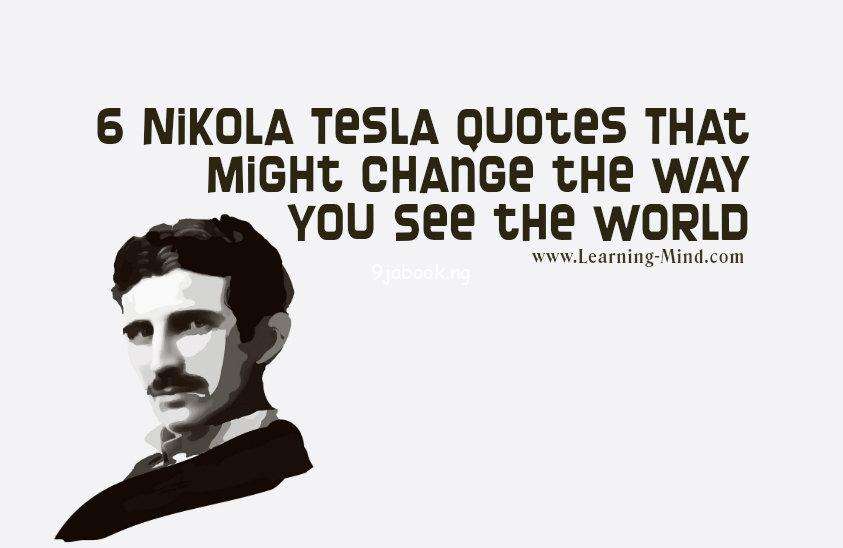
- IQ: Tesla was an intellectual genius, renowned for his extraordinary contributions to science and technology, particularly in alternating current (AC) electrical systems, radio waves, and wireless transmission. His IQ was exceptionally high, as evident from his creative genius and groundbreaking inventions.
- EQ: However, Tesla struggled with social and emotional intelligence. He was often isolated and misunderstood by his peers, lacked strong social connections, and had trouble securing financial backing for his inventions. Despite being an intellectual titan, Tesla was never as financially successful or influential in his lifetime because he did not cultivate the emotional intelligence needed to build strong relationships with investors, collaborators, and the public.
How EQ Impacted Tesla’s Success:
- Relationships: Tesla lacked the emotional awareness and social skills to navigate business partnerships and handle conflict, which led to failed ventures and a lack of financial stability. His rivalry with Thomas Edison (who had a higher EQ in business dealings) further damaged his career prospects.
- Communication: Tesla struggled to communicate his ideas in a way that captured the imagination of the public or investors. Even though his inventions were revolutionary, he lacked the emotional intelligence to package them in a way that appealed to those who could support his work.
- Self-awareness: Tesla’s perfectionism and inability to compromise, a key trait of high EQ individuals, also hindered his progress. While he was highly intelligent, he was often so absorbed in his work that he didn’t account for the business or interpersonal aspects necessary to achieve widespread success.
In short, Tesla’s high IQ didn’t guarantee success because he lacked the EQ to translate his brilliance into long-lasting, practical, and socially impactful outcomes.
Adolf Hitler (High EQ, Malicious Intent)
- IQ: Hitler’s intellectual abilities, while not as scientifically groundbreaking as Tesla’s, were sharp in terms of political strategy and manipulation. He had a strong ability to analyze situations and devise effective, albeit destructive, plans for gaining power.
- EQ: Hitler’s emotional intelligence, though used for evil purposes, was exceptionally high. He had a profound ability to connect emotionally with people, manipulate mass emotions, and rally the German population behind his radical ideology.

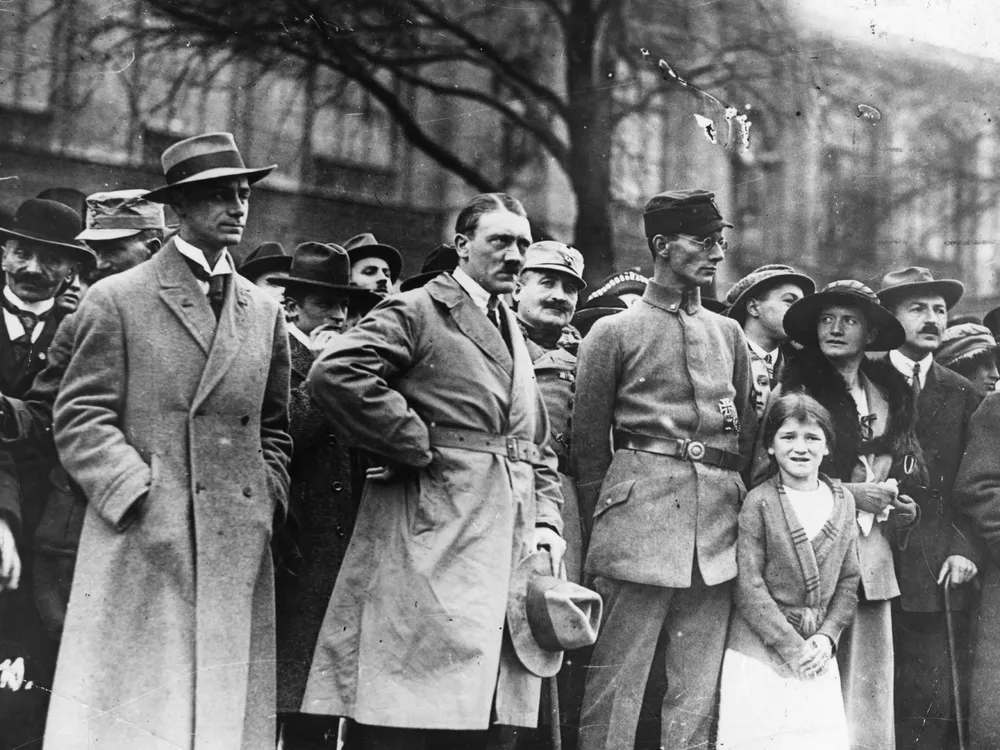
How EQ Played a Role in Hitler’s Rise:
- Charismatic Leadership: Hitler had a rare ability to tap into the emotions of large crowds, inspiring feelings of national pride, anger, and a desire for revenge. He effectively used public speeches to stir deep-seated emotions in the German people, particularly after the humiliation of World War I and the Treaty of Versailles. This emotional manipulation allowed him to gain followers and rise to power.
- Social Manipulation: Hitler was keenly aware of people’s desires, fears, and weaknesses. He capitalized on the economic hardships and emotional discontent of post-war Germany, using his charisma to paint a vision of a restored, powerful Germany. His success in manipulating the emotions of both individuals and entire nations was a direct result of his high emotional intelligence.
- Political Strategy: Although his actions were driven by a destructive ideology, Hitler’s political success was fueled by his ability to build alliances, influence others, and consolidate power. He had the social skills necessary to navigate complex political landscapes, something that intellectual prowess alone would not have achieved.
Downfall Due to EQ Misuse:
- While Hitler’s high EQ led to his rise, it also contributed to his eventual downfall. His lack of empathy and moral compass led to catastrophic decisions, such as launching a war that Germany could not win and committing atrocities that alienated the world. His eventual isolation from rational advisors and his delusional decisions reflect a breakdown of self-awareness and self-regulation, both critical aspects of EQ.
Key Differences Between High EQ and High IQ in Success:
- Influence and Leadership: High-EQ individuals like Hitler (albeit in a negative context) can mobilize people, manage relationships, and inspire action. High-IQ individuals like Tesla, who lack EQ, may have brilliant ideas but struggle to garner the support and resources needed to implement them on a large scale.
- Resilience and Adaptability: High EQ equips individuals to handle stress, change, and interpersonal challenges. Hitler, despite his eventual downfall, adapted quickly to changing political landscapes and leveraged emotional cues. Tesla, on the other hand, struggled to cope with failure and setbacks, often retreating into isolation.
- Communication Skills: EQ enables effective communication and persuasion, helping individuals frame their ideas in ways that resonate with others. Tesla’s failure to explain his genius in ways that connected emotionally with people left him marginalized, while Hitler used emotional manipulation to gain mass support.
Conclusion
The contrast between Tesla and Hitler illustrates that while high IQ provides raw intellectual capacity, high EQ offers the tools to connect with, influence, and lead people. Success often hinges more on the ability to understand and navigate human emotions and social systems than on intellectual brilliance alone. EQ, when harnessed positively, can lead to transformative leadership, while its absence—or malicious use—can lead to isolation or devastation.
