Identifying and avoiding situations that may trigger drinking alcohol
ChatGPT
Identifying and avoiding situations that may trigger drinking alcohol is a crucial strategy in maintaining sobriety and preventing relapse. Here are some steps and tips to help with this process:
1. Identify Triggers
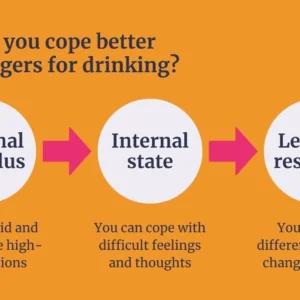
Internal Triggers:
- Emotional States: Stress, anxiety, depression, loneliness, and boredom can trigger a desire to drink.
- Physical States: Fatigue, hunger, or illness may also prompt cravings.
External Triggers:
- Social Situations: Parties, bars, and gatherings where alcohol is present.
- Environmental Cues: Specific places, people, or activities associated with past drinking.
- Events and Celebrations: Holidays, birthdays, and special occasions where alcohol consumption is common.
2. Develop Coping Strategies
Emotional Management:
- Therapy: Cognitive Behavioral Therapy (CBT) and other forms of counseling can help manage emotional triggers.
- Mindfulness and Relaxation: Practices like meditation, yoga, and deep breathing exercises can reduce stress and anxiety.
- Healthy Outlets: Engage in hobbies, exercise, or creative activities to channel emotions constructively.
Social Strategies:
- Support System: Surround yourself with supportive friends and family who respect your decision to avoid alcohol.
- Alternative Activities: Plan activities that do not involve alcohol, such as hiking, movie nights, or sports.
- Assertiveness Training: Learn to say no confidently and politely in situations where you might be offered a drink.
3. Environmental Control
- Avoid High-Risk Situations: Stay away from places and events where alcohol is the main focus.
- Change Routine: Alter daily routines that might have included drinking, such as stopping at a bar after work.
- Remove Alcohol: Keep your home and immediate environment free of alcohol to reduce temptation.
4. Plan Ahead
- Have an Exit Strategy: Plan how to leave situations that become uncomfortable or triggering.
- Bring a Friend: Attend social events with a sober friend who can provide support.
- Non-Alcoholic Options: Bring or request non-alcoholic beverages at social gatherings.
5. Utilize Support Networks
- Support Groups: Join groups like Alcoholics Anonymous (AA) or other recovery support groups where you can share experiences and gain advice.
- Sponsor or Mentor: Have a go-to person who has been through similar experiences and can offer guidance.
- Professional Help: Work with therapists or counselors who specialize in addiction recovery.
6. Healthy Lifestyle Choices
- Exercise: Regular physical activity can help reduce stress and improve mood.
- Nutrition: Eating a balanced diet helps maintain overall health and can reduce cravings.
- Sleep: Ensure you get adequate rest, as fatigue can increase vulnerability to triggers.
7. Reflect and Adjust
- Self-Reflection: Regularly assess your progress and identify new triggers or strategies that may need adjustment.
- Relapse Plan: Have a plan in place in case of relapse, including who to contact and steps to get back on track.
Practical Tips
- Keep a Journal: Document your thoughts, feelings, and triggers to better understand patterns.
- Set Goals: Establish short-term and long-term goals for your sobriety journey.
- Reward Yourself: Celebrate milestones and successes with healthy rewards.
By being proactive and prepared, you can significantly reduce the likelihood of encountering triggers that lead to drinking and maintain a healthier, alcohol-free lifestyle.
ALERT GRAPHIC VIDEOS & PHOTOS REMOVED
THANK YOU


