
IBB A JOURNEY IN SERVICE DOWNLOAD NOW
IBB: A Journey in Service
Ibrahim Badamasi Babangida (IBB) remains one of Nigeria’s most influential and controversial leaders. His tenure as the country’s military president from 1985 to 1993 was marked by ambitious reforms, political experimentation, and significant controversies. His leadership style, often described as strategic and pragmatic, shaped Nigeria’s modern political and economic landscape.
Early Life and Military Career
Born on August 17, 1941, in Minna, Niger State, Babangida joined the Nigerian Army in 1962. He played an active role in the series of military coups that shaped Nigeria’s political history, including the July 1966 counter-coup and the 1975 coup that brought General Murtala Mohammed to power. By 1985, as Chief of Army Staff, he led the bloodless coup that ousted General Muhammadu Buhari and installed himself as President.
Economic Policies and Structural Adjustment Program (SAP)
One of IBB’s most significant policy initiatives was the introduction of the Structural Adjustment Program (SAP) in 1986, in collaboration with the International Monetary Fund (IMF) and the World Bank. SAP aimed to liberalize the Nigerian economy, reduce dependency on oil revenue, and encourage private-sector growth. However, the policy led to widespread inflation, currency devaluation, and economic hardship for ordinary Nigerians, despite its long-term objectives of economic diversification.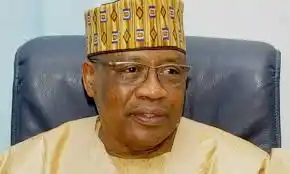
Political Reforms and the Transition to Civil Rule
IBB embarked on an elaborate transition to civilian rule, creating two political parties—the Social Democratic Party (SDP) and the National Republican Convention (NRC). His government conducted local and national elections, culminating in the June 12, 1993 presidential election, widely regarded as the most credible in Nigeria’s history.
However, the annulment of the election—believed to have been won by Moshood Abiola—sparked nationwide protests and political unrest. The decision remains one of the most criticized actions of his regime, leading to his eventual resignation on August 26, 1993, and the installation of an interim government.
Controversies and Criticisms
Beyond the June 12 annulment, IBB’s administration was marked by allegations of corruption, human rights abuses, and suppression of dissent. His government was accused of mismanaging Nigeria’s oil wealth and fostering a culture of impunity among the ruling elite. The assassination of journalist Dele Giwa through a parcel bomb in 1986 is another dark spot on his legacy, with many suspecting state involvement.
Legacy and Influence
Despite the controversies, IBB remains a towering figure in Nigerian politics. His policies laid the groundwork for later economic reforms, and his political strategies continue to influence governance in the country. Many politicians today still reference his approach to leadership, often dubbed “Maradonic” due to his tactical maneuvering.
IBB’s journey in service is a complex narrative of ambition, reform, and controversy. While some regard him as a visionary leader who sought to modernize Nigeria, others see his tenure as a period of missed opportunities and political manipulation. Regardless of perspective, his impact on Nigeria’s political and economic history is undeniable.