
·
Bob Marley’s wife, Rita Marley, has spent more than 20 years residing in Ghana 🇬🇭 In the 1990s, she relocated to Ghana with Bob Marley’s family. In 2013, she petitioned for and was granted citizenship in Ghana. Rita Marley now has a Ghanaian name — Nana Afua Abodea.
In Ghana’s Aburi, she also has a home. In Accra, Ghana, Rita Marley created a studio in memory of her deceased husband, Bob Marley. The name of it is Studio One.
In Ghana, she runs a nonprofit organization. Her foundation, The Rita Marley Foundation, supports charitable endeavors.
Nana Rita Marley started her musical career in the early 1960s as a vocalist with the all-female group The Soulettes, which performed with the Four Tops, Johnny Nash, and other performers of the time. Her single ‘One Draw’, which she released in 1982, was a major hit in Europe but Jamaica 🇯🇲 said it was not fit for airplay.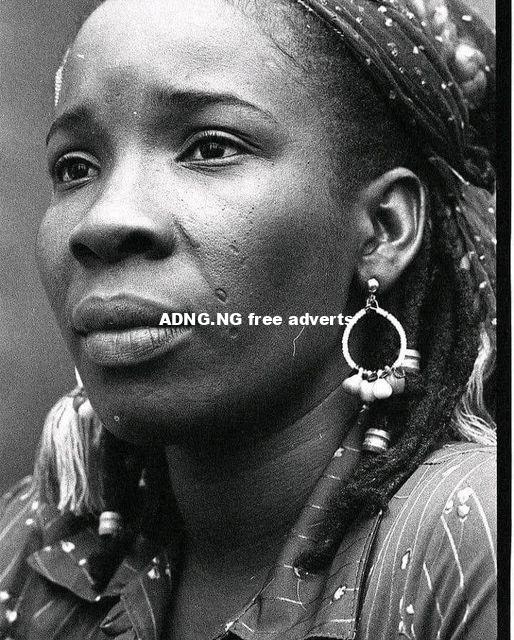
One Draw was the first reggae single to top the Billboard Disco chart, according to Jamaica Observer.
If Bob Marley’s wife were Ghanaian, it would have added an interesting layer to his legacy, particularly in terms of his connection to Africa, which was already a significant part of his life and music. Here’s how this hypothetical scenario could have influenced various aspects:
1. Cultural Influence in Music:
Bob Marley’s music was already deeply influenced by African culture, spirituality, and the Rastafarian movement, which emphasized a return to Africa. If his wife were Ghanaian, this might have led to even stronger ties between his music and specific Ghanaian cultural elements, potentially incorporating more Ghanaian rhythms, instruments, and themes into his songs.
2. Connection to Ghana:
Marley already had a strong connection to Africa, evident in his songs like “Africa Unite” and “Zimbabwe.” Having a Ghanaian wife could have made Ghana a focal point of his African connection, perhaps leading to visits, concerts, or even philanthropic efforts in Ghana. This might have strengthened ties between the Caribbean and West Africa, particularly in terms of music, culture, and social movements.
, Rita Marley, the widow of Bob Marley, has been residing in Ghana for many years. Here’s a summary of her life and activities there:
1. Move to Ghana:
- Rita Marley relocated to Ghana in the 1990s. She was drawn to the country due to her strong Pan-African beliefs and a deep connection to Africa, which was a central theme in her and Bob Marley’s lives and music.
2. Citizenship and Residence:
- Rita Marley became a Ghanaian citizen and has spent much of her time living in Konkonuru, a village in the Aburi area, in the Eastern Region of Ghana. She has made this village her home and has been actively involved in the local community.
3. Philanthropy and Community Work:
- Rita Marley has been deeply involved in philanthropic activities in Ghana. She established the Rita Marley Foundation, which focuses on health, education, and empowerment initiatives in Ghana and other parts of Africa. The foundation has supported various projects, including providing scholarships, health care, and infrastructure development in local communities.
- She has also been instrumental in supporting the development of the Konkonuru village, helping to build schools, clinics, and other essential facilities.
4. Cultural and Musical Contributions:
- Rita Marley has continued to promote reggae music and Bob Marley’s legacy in Ghana and throughout Africa. She has organized and participated in various cultural events, concerts, and celebrations that honor Bob Marley’s music and message of unity, peace, and love.
- She also continues to be a cultural ambassador, using her platform to strengthen the ties between the African diaspora and the continent.
5. Legacy and Impact:
- Rita Marley’s presence in Ghana has had a significant impact on the country, particularly in the areas of culture and community development. Her commitment to Ghana and Africa as a whole has further solidified her role as a key figure in the global Pan-African movement.
Rita Marley’s decision to settle in Ghana reflects her deep connection to Africa and her desire to contribute to the continent’s development. Her work there continues to inspire many, both in Ghana and across the world.


