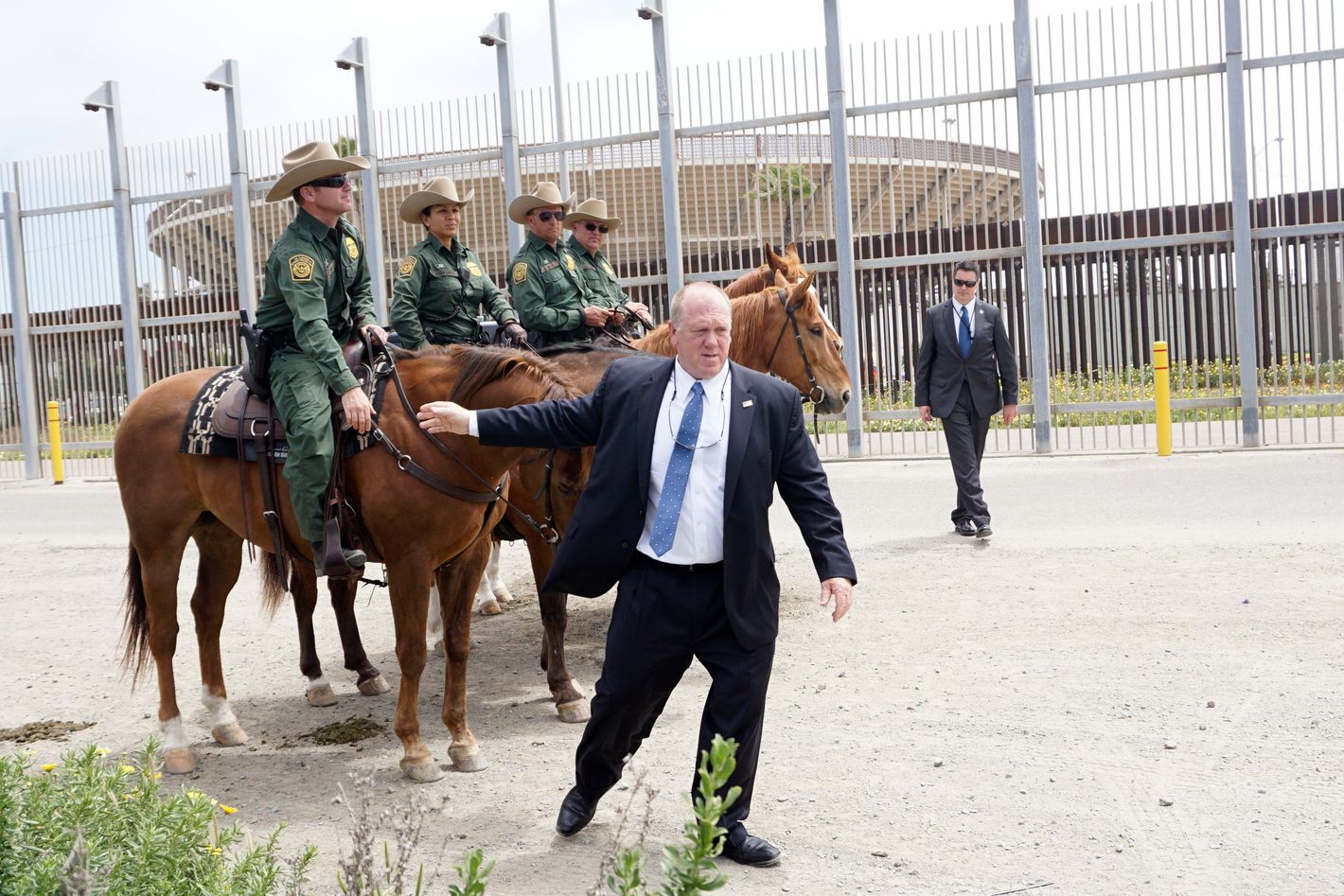
As former President Donald Trump prepares to begin his second term on January 20, 2025, he has announced plans to implement a mass deportation program targeting undocumented immigrants. This initiative is part of a broader agenda that includes over 100 executive orders aimed at reshaping various aspects of American governance and society.
The exact number of Nigerians living in the United States illegally is difficult to determine with precision, as it depends on various factors such as visa overstays and undocumented entries. However, the following estimates provide context:
- Total Nigerian Population in the U.S.
- As of recent census data, there are over 400,000 Nigerians living in the United States. This figure includes both documented (e.g., permanent residents, citizens, and those on temporary visas) and undocumented individuals.
- Visa Overstay Rates for Nigerians
- Nigerians have been identified as one of the groups with significant visa overstay rates. In the U.S. Department of Homeland Security (DHS) Fiscal Year 2020 report, approximately 29% of Nigerians on nonimmigrant visas (like tourists or students) overstayed their authorized period.
- Potential Undocumented Population
- Based on estimates derived from visa overstay rates and general migration data, it is likely that 50,000–100,000 Nigerians could be living in the U.S. without proper documentation. This figure represents only a fraction of the estimated 11 million undocumented immigrants in the United States overall.
While specific details regarding the nationalities of those targeted for deportation have not been disclosed, there is concern within the Nigerian community about potential impacts. Experts have noted that if mass deportations proceed, they could significantly affect Nigeria’s economy, particularly the annual diaspora remittances, which amount to approximately $20 billion. Professor Aminu Gusau, a scholar at the University of Kansas, highlighted that massive deportations could lead to a drastic reduction in these remittances, thereby impacting Nigeria’s economy.
It’s important to note that, as of now, there is no official statement indicating that Nigerians are specifically targeted for deportation. Previous claims suggesting that Trump planned to deport millions of Nigerians have been debunked as false.
The proposed mass deportation plan faces significant legal, logistical, and humanitarian challenges. During his previous term, deportations did not exceed 350,000 annually, falling short of initial goals due to various constraints. The new strategy involves invoking the Alien Enemies Act and seeking cooperation from Republican governors to deploy National Guard troops for enforcement. However, critics question the feasibility of this plan, citing existing legal rights, international cooperation issues, and limited resources.
In summary, while there is a general plan for mass deportations under the upcoming administration, there is currently no evidence to suggest that Nigerians are specifically targeted. Nonetheless, the Nigerian community and other immigrant groups are closely monitoring the situation due to potential economic and social impacts.
Determining the exact number of Nigerians residing illegally in the United States is challenging due to the clandestine nature of undocumented immigration. However, available data provides some insight:
Visa Overstay Rates:
- B1/B2 Visas (Business/Tourism): In the fiscal year 2023, Nigeria was issued 84,051 B1/B2 visas. Of these, 6,000 individuals overstayed their visas, resulting in an overstay rate of 7.14%.
MyNewsGh
- Student and Exchange Visitor Visas (F, M, J): In the same period, Nigeria received 7,556 student and exchange visitor visas, with 1,179 overstays, equating to a 15.6% overstay rate.
MyNewsGh
Comparative Context:
It’s noteworthy that Ghana has recently surpassed Nigeria in visa overstay rates. In 2023, Ghana had a 7.50% overstay rate for B1/B2 visas and a 21% overstay rate for student and exchange visitor visas.
Challenges in Estimation:
While these figures provide a snapshot of visa overstays, they don’t account for individuals who may have entered the U.S. through other means or those who have adjusted their status without proper authorization. Consequently, estimating the total number of undocumented Nigerians in the U.S. remains complex.
In summary, while precise numbers are elusive, visa overstay data offers a glimpse into the patterns of unauthorized residency among Nigerian nationals in the United States.