The overlord of warri kingdom ogiame
The current Olu of Warri, Ogiame Atuwatse III, ascended the throne on August 21, 2021. His enthronement marked a significant moment in the history of the Itsekiri people, a prominent ethnic group in Delta State, Nigeria.
Here’s an overview of his background and the events surrounding his coronation:
Early Life and Background
Ogiame Atuwatse III, born Prince Tsola Emiko in April 1984, is a descendant of the Itsekiri royal family. He is the son of the late Olu Ogiame Atuwatse II, who reigned from 1987 to 2015. His mother is Olori Gladys Durorike Emiko. Prince Tsola Emiko grew up in a royal household, where he received a blend of traditional values and modern education.
Education and Career
Tsola Emiko attended NNPC Primary School in Warri before proceeding to Adesoye College, Offa, for his secondary education. He then pursued higher education at Case Western Reserve University in Cleveland, Ohio, USA, where he earned a degree in International Studies and Political Science. He later acquired a Master’s in Management from the University of Cambridge in the United Kingdom.
Before becoming Olu, he had a career in both business and public service, focusing on entrepreneurial ventures and philanthropy.

Selection as Olu of Warri
The selection of Ogiame Atuwatse III came after some controversy and drama. Upon the death of his predecessor, Ogiame Ikenwoli, in December 2020, there was initial tension around the succession. Traditionally, the Itsekiri follow a royal system in which the Olu is chosen based on a lineage system. However, succession disputes are not uncommon.
Tsola Emiko was initially not in line to become Olu due to a law in the Itsekiri custom stating that a candidate must be born of both an Itsekiri father and mother. His mother is Yoruba, from the ancient Yoruba kingdom of Oyo, which sparked debates over whether he was eligible for the throne.
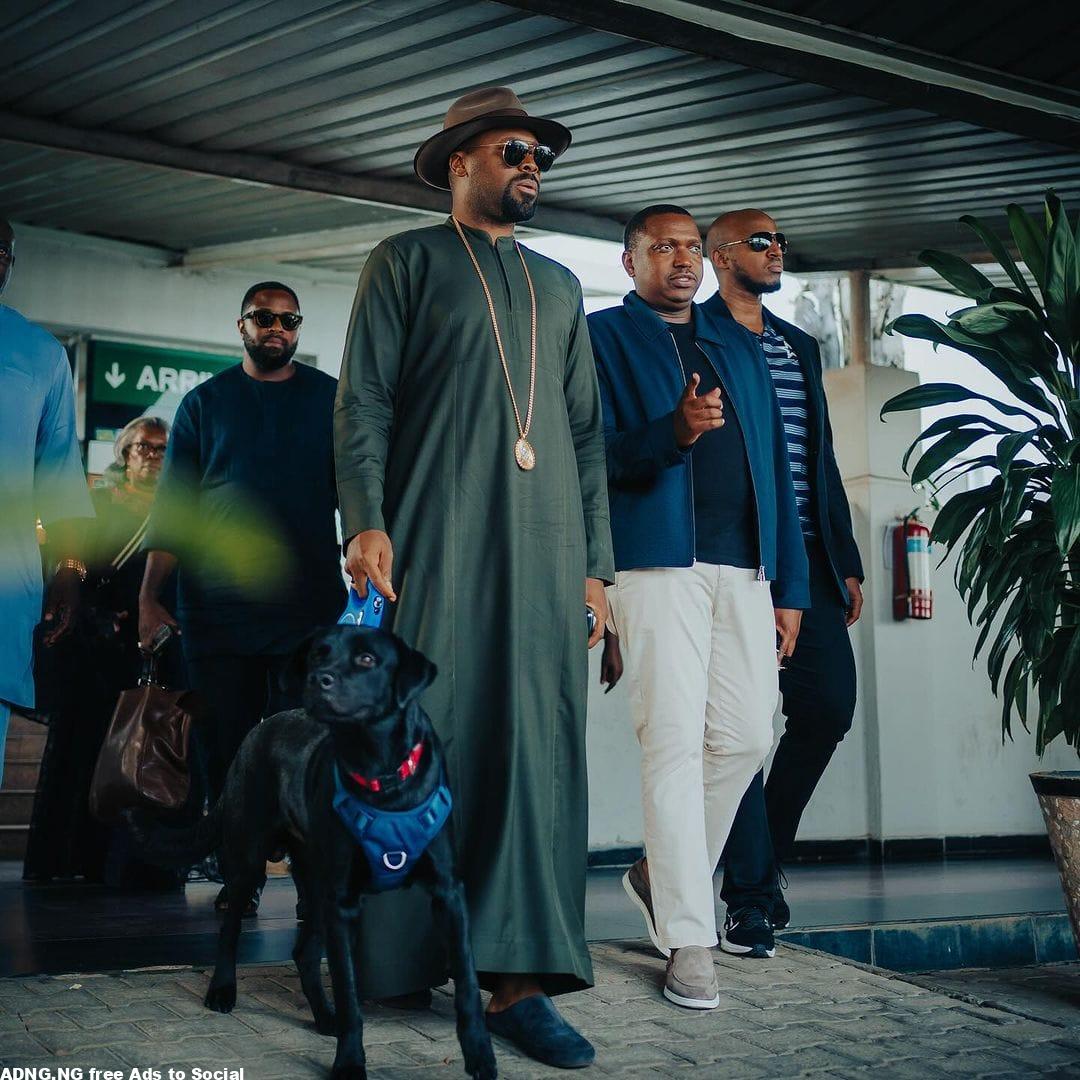
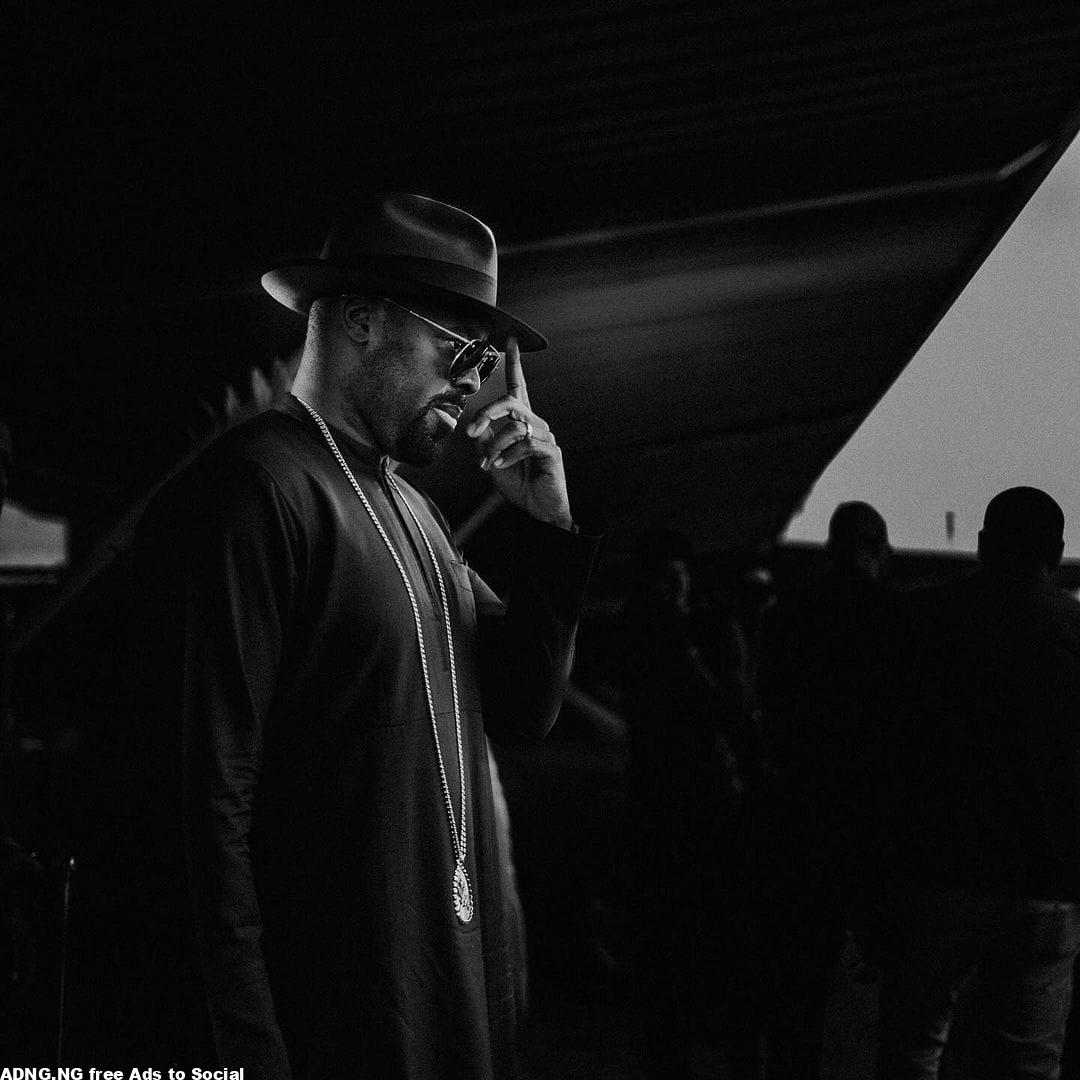
After months of legal battles, consultations, and traditional proceedings, Tsola Emiko was officially announced as the Olu-designate. The decision was supported by many prominent Itsekiri leaders and the royal family.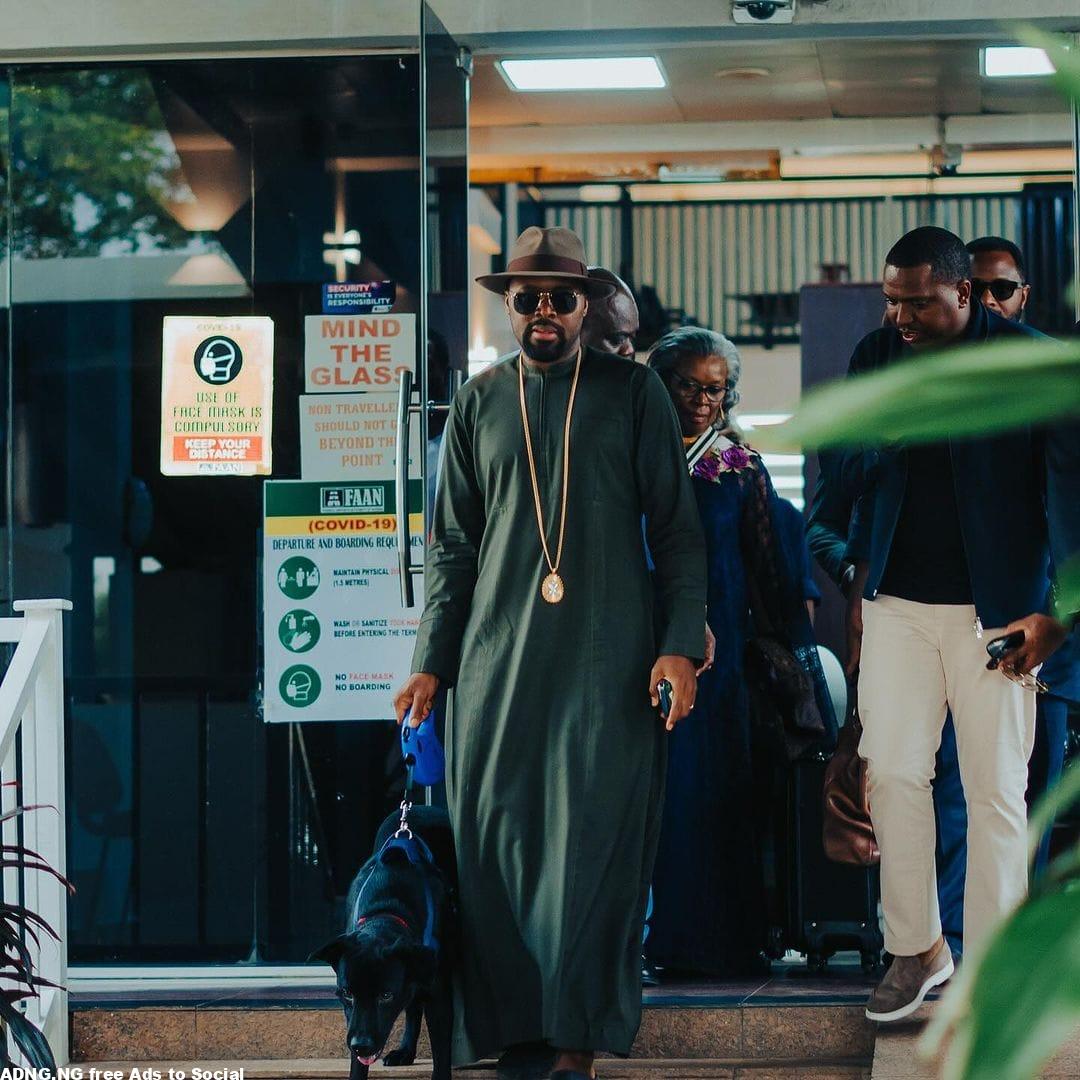
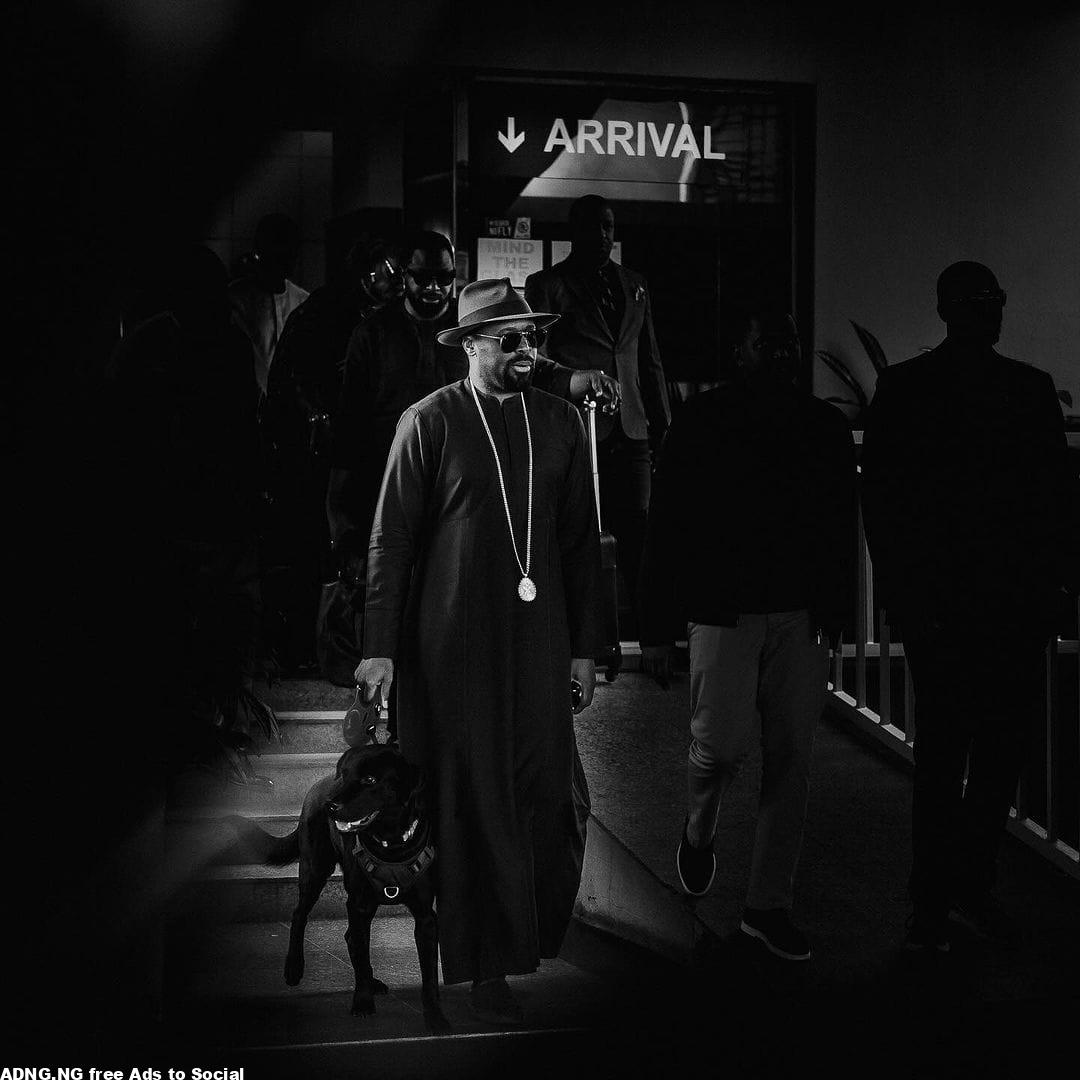
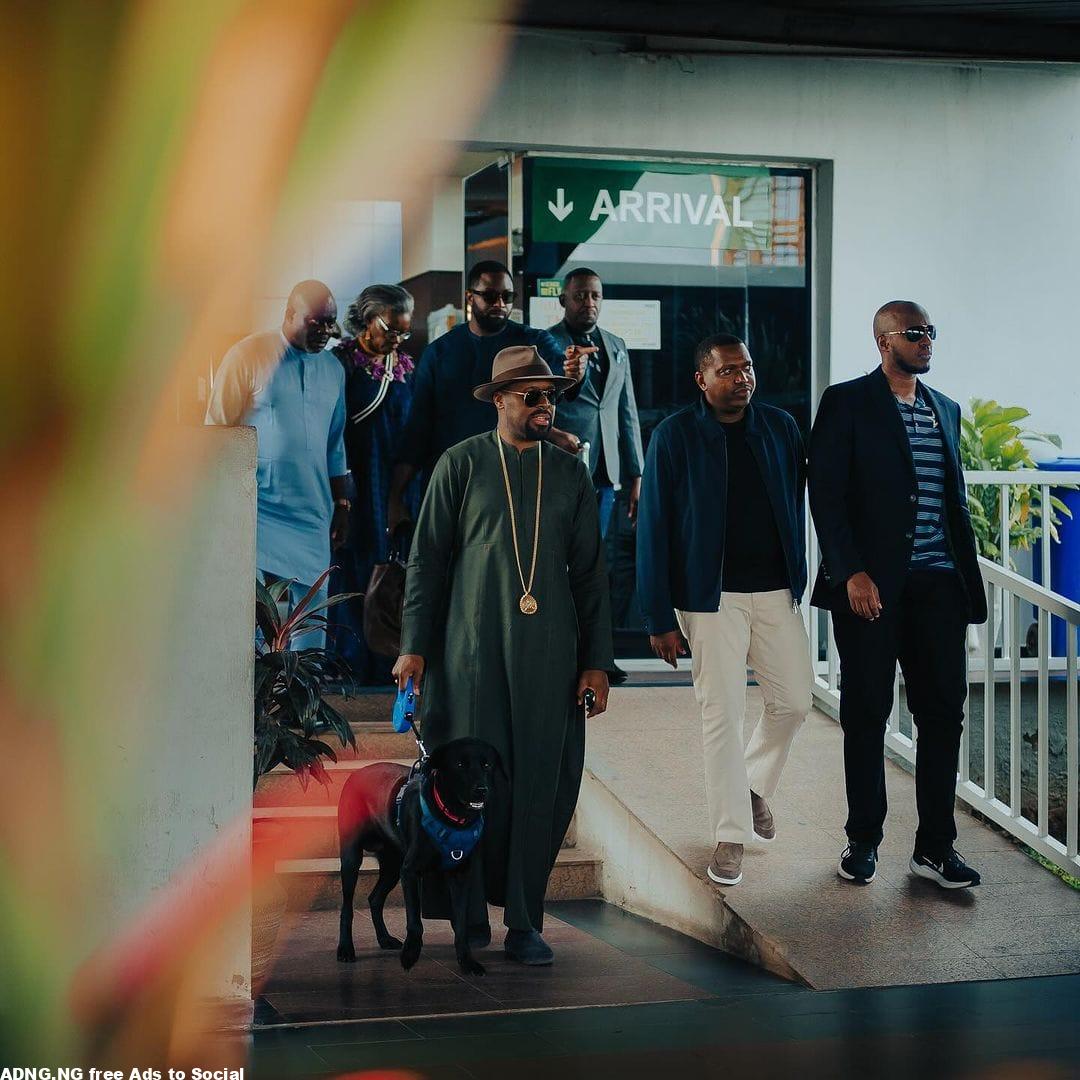

Coronation as Ogiame Atuwatse III
The coronation ceremony on August 21, 2021, was a grand affair, held at the Ode-Itsekiri, the ancestral capital of the Itsekiri people. The event was attended by dignitaries from across Nigeria, including top political leaders, traditional rulers, and prominent businessmen.
During the coronation, he took the title Ogiame Atuwatse III, continuing the legacy of his forefathers, specifically his father, Ogiame Atuwatse II. His coronation also symbolized a rejuvenation of the Itsekiri kingdom, with the hope that his reign would bring peace, prosperity, and modernization to the kingdom.
Vision for the Itsekiri Kingdom
As the 21st Olu of Warri, Ogiame Atuwatse III has focused on promoting unity, development, and economic growth in the region. He has emphasized the need to blend traditional values with modern governance, seeking to elevate the Warri Kingdom’s status both in Nigeria and internationally.
One of his key priorities is youth empowerment and fostering better educational opportunities. He has expressed interest in developing the kingdom’s infrastructure and exploring new ways to harness the region’s natural resources responsibly.
The Itsekiri people are an ethnic group located in the Niger Delta region of Nigeria, particularly in present-day Delta State. They are known for their rich cultural heritage, history of trade and diplomacy, and monarchy, centered around the Olu of Warri. Their history is a blend of influences from neighboring Yoruba, Benin, and Portuguese cultures. Here is an overview of the history of the Itsekiri people:
Origins and Early History
The origins of the Itsekiri people are somewhat debated, with various accounts linking them to different regions and ethnic groups. However, the most widely accepted version traces their roots to a mixture of three major influences:
- Yoruba: The Itsekiri share linguistic and cultural similarities with the Yoruba people. According to historical accounts, the founder of the Itsekiri Kingdom, Prince Ginuwa, was a prince from the ancient Benin Kingdom who fled to the Niger Delta region, and his descendants established the Itsekiri monarchy. Additionally, over time, intermarriages with Yoruba people from the Oyo and Ijebu areas influenced Itsekiri culture.
- Benin Kingdom: The connection with the Benin Empire is significant in Itsekiri history. Ginuwa, the son of Oba Olua of Benin, is said to have led a migration from Benin around the 15th century, founding the Kingdom of Warri. The Itsekiri royal family has traditionally maintained strong ties with the Benin monarchy, and there are overlaps in their cultural practices.
- Ijo and Urhobo: Although the Itsekiri are a distinct ethnic group, they have historically interacted with their Ijo and Urhobo neighbors, often engaging in trade and intermarriage, which helped shape their cultural identity.
Establishment of the Warri Kingdom
The Warri Kingdom (also known as the Iwere Kingdom) was established in the late 15th or early 16th century. Prince Ginuwa, the first Olu of Warri, settled in the region after leaving Benin, and his successors continued to rule over the Itsekiri people. The Warri Kingdom became a powerful coastal state, using its position along the Niger Delta to facilitate trade with both neighboring ethnic groups and European merchants.
Interaction with European Powers
By the late 15th century, the Itsekiri had begun interacting with European traders, particularly the Portuguese. These early contacts played a significant role in the development of the kingdom:
- Trade: The Itsekiri became middlemen in the trans-Atlantic trade, dealing in goods such as ivory, palm oil, pepper, and later, slaves. Their strategic location along the Niger Delta’s creeks made them an important partner for European traders, including the Portuguese, Dutch, and British.
- Christianity: The Portuguese influence also brought Christianity to the Itsekiri people. In the early 16th century, the royal family of Warri embraced Christianity, with many Olus being baptized and adopting Christian names. The Itsekiri Kingdom thus became one of the earliest Christianized kingdoms in West Africa. For instance, Olu Dom Domingos, who ruled in the 17th century, was a devout Christian who maintained strong ties with the Catholic Church.
Colonial Era and British Influence
During the 19th century, the British expanded their control over the Niger Delta region, eventually leading to the establishment of colonial rule. The Itsekiri, like many other Niger Delta communities, experienced significant changes during this period:
- Trade Decline: As the British consolidated control over trade in the region, the Itsekiri’s role as middlemen in the trans-Atlantic trade diminished. The abolition of the slave trade also led to economic shifts, with a greater focus on palm oil and other agricultural products.
- Wars and Conflicts: The Itsekiri were involved in conflicts with neighboring ethnic groups, such as the Urhobo and Ijo, often over issues related to trade and control of resources. These conflicts sometimes weakened the kingdom internally.
- British Colonial Administration: In 1894, the British signed a treaty with Olu Emaye, incorporating Warri into the British protectorate. This began a period of direct British administration over the region, which continued until Nigeria gained independence in 1960.
Post-Colonial Period and Modern Developments
After Nigeria’s independence, the Itsekiri people have remained one of the prominent ethnic groups in Delta State. However, they have also faced challenges:
- Ethnic Conflicts: In the post-colonial period, tensions have occasionally flared between the Itsekiri, Urhobo, and Ijo over political representation, land, and resource control. These disputes, particularly over oil wealth, have sometimes resulted in violent clashes.
- Economic Importance: The Itsekiri region, particularly Warri, has become a significant hub for Nigeria’s oil and gas industry. The area is home to several oil-producing communities, and many Itsekiri people have been involved in the energy sector.
- Cultural Preservation: Despite the pressures of modernization, the Itsekiri have maintained many of their traditional customs, including the continued reverence for the Olu of Warri. The monarchy remains a central institution in Itsekiri society, serving as both a cultural and political symbol.
Language and Culture
The Itsekiri language is part of the Yoruboid group of languages, sharing similarities with both Yoruba and the language of the Igala people. The Itsekiri people are known for their rich cultural practices, including traditional ceremonies, music, dance, and festivals, many of which revolve around the monarchy.
Religion
Historically, the Itsekiri people were animists, practicing traditional African religion, but with the arrival of the Portuguese in the 15th century, Christianity became a dominant faith, particularly among the royal family. Today, most Itsekiri are Christian, although traditional religious practices still exist in some areas.
In summary, the Itsekiri people have a long and complex history shaped by migration, trade, and interaction with both African and European cultures. Their strategic location in the Niger Delta has allowed them to play a crucial role in regional trade, while their monarchy remains an enduring symbol of their identity and unity.


